Emergency extraction and stabilization
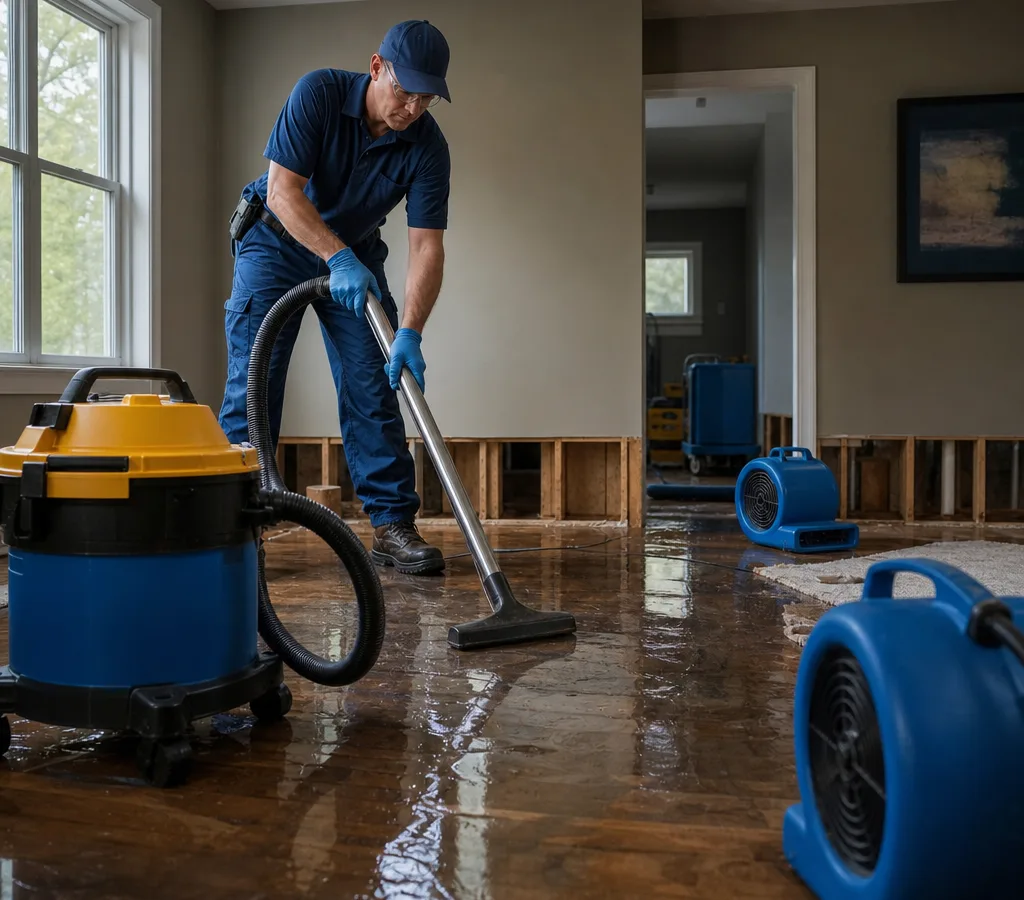
We remove standing water, protect contents where practical, and set equipment to start controlling humidity and temperature as soon as possible.
Serving Albany, New York & surrounding areas
24/7 Emergency Response
One call instead of ten • No web forms, no callback spam • 24/7 Emergency Response
Water Damage Restoration · Albany, New York
When water gets in, time matters. We respond fast, stop the spread, dry the structure, and guide you from first cleanup through repair-ready restoration for homes and commercial spaces in Albany.
✓ Skip the 3-hour Google rabbit hole — we’ve already done the vetting
✓ One conversation, not ten voicemails and seven web forms
✓ 24/7 emergency response — talk to a real person who actually knows Albany
Rapid Mitigation
If you are searching for water damage restoration Albany NY, you are likely dealing with a situation that can change by the hour. Water moves through flooring seams, wicks into drywall, and settles into cavities where it is hard to see. The right first steps reduce damage and shorten the time your space is disrupted.
Water Damage Albany NY handles the full restoration scope: emergency water extraction, drying and dehumidification, monitoring with moisture meters, controlled removal of affected materials when needed, odor control, and the documentation that supports an insurance claim. We work on single-room losses as well as large, multi-area events in houses, apartments, retail spaces, and offices.
Albany properties often include older building materials and finished basements, which makes hidden moisture a real concern. Even when the visible water is gone, damp insulation, trim, and subfloor layers can keep releasing moisture back into the air. Drying the structure properly is what prevents a small loss from turning into a bigger repair.
Restoration Scope
We remove standing water, protect contents where practical, and set equipment to start controlling humidity and temperature as soon as possible.
Air movers and dehumidifiers are sized to the affected area, and we adjust placement as moisture readings change. Drying is measured, not guessed.
We use non-invasive and penetrating moisture meters to track wet materials, identify pockets behind walls or under flooring, and confirm when areas are dry.
When materials cannot dry in place, we remove only what is necessary, like saturated drywall, wet baseboards, or compromised insulation, so repairs can start clean.
For gray or contaminated water events, we use appropriate cleaning, antimicrobial steps when warranted, and containment practices to limit spread.
We document moisture readings, equipment use, and affected areas. It helps claim decisions move faster and supports the scope of work.
Source and Severity
Not every water loss is treated the same, and the source matters as much as the size. We generally classify the situation as:
We also consider the class of loss, which describes how far water has spread and what materials are involved—carpet and pad versus plaster, hardwood, or multiple layers. That evaluation drives equipment selection, containment, and how long drying may take.
If you are dealing with stormwater in a basement or crawl space, we focus on safe extraction, controlling humidity quickly, and checking wall cavities and sill areas where moisture can linger.
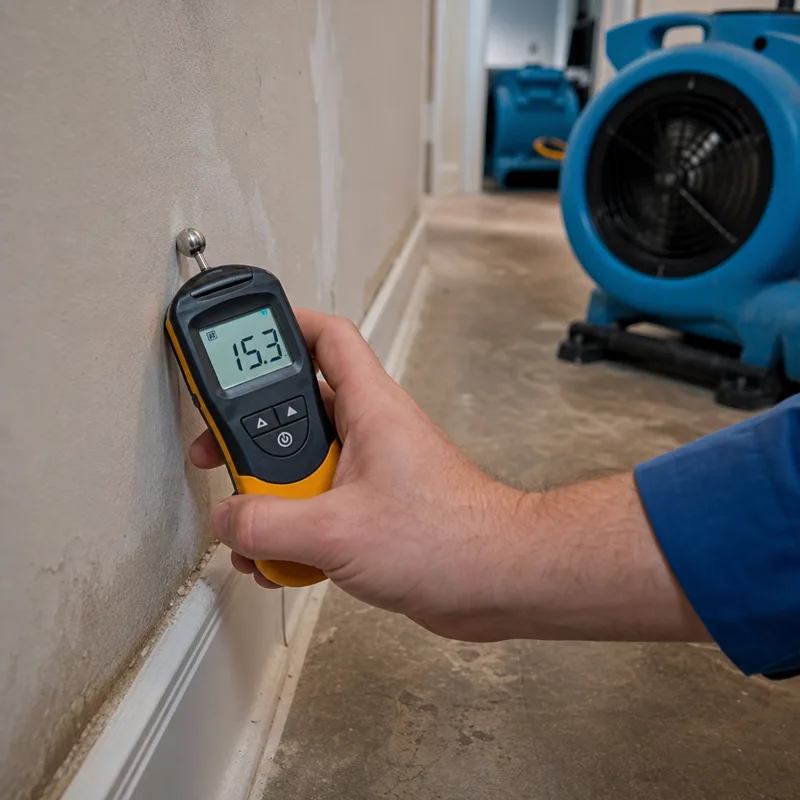
We identify the source when accessible, check affected rooms, and map moisture in floors, drywall, trim, and adjacent spaces to define a realistic scope.
Standing water is extracted first. Where possible, we move or protect contents and set up containment to keep wet-area work controlled.
We place air movers and dehumidifiers, then set drying targets. Equipment is adjusted based on readings, not on a fixed schedule.
We re-check moisture, temperature, and humidity. If hidden moisture is found, we expand the drying plan or open limited areas to dry correctly.
After materials are dry and stabilized, we complete cleaning steps appropriate to the water category and leave the area ready for the next phase of repairs.
Planning the Work
Water damage restoration in Albany typically ranges from about $900 to $6,500 for many residential losses, with small clean-water dry-outs at the low end and larger multi-room or contaminated-water projects higher. A single-room extraction and drying setup is often $900 to $2,500, while basement losses, hardwood involvement, or significant drywall removal can run $3,000 to $10,000+.
Final price depends on how many materials are affected—drywall, insulation, and flooring—the water category, access, how long drying takes, and whether controlled demolition is needed. Exact pricing is confirmed after an on-site inspection and moisture mapping.
“We found water under the laminate after a fridge line leak. The crew explained what had to come up, set up drying the same day, and kept checking moisture until it was actually dry. The documentation helped a lot with insurance.”
“Basement seepage turned into a bigger mess than we thought. They handled extraction, containment, and drying, and they were straight with us about what materials couldn't be saved.”
Property Owner Questions
Start mitigation as soon as it is safe because water can wick into drywall and flooring seams quickly and humidity rises fast in closed spaces. The earlier extraction and dehumidification begin, the less likely you are to need extensive material removal and the easier it is to document the loss cleanly for insurance.
Sometimes drywall can be dried in place if it is a clean-water event and the wet area is limited, but insulation that is saturated often needs removal because it holds moisture and dries slowly. We confirm the right approach with moisture readings, the water category, and whether the wall cavity can dry to safe levels.
Stop the water source if you can do it safely, and shut off electricity to affected areas if water is near outlets or appliances. Move small valuables out of the wet zone, avoid running HVAC that could spread humidity, and do not pull up flooring or open walls unless you are sure it is safe and you have a plan to contain debris.
Yes, we provide the documentation insurers typically ask for, including moisture logs, affected-area notes, and equipment records. Coverage depends on the cause of loss and the policy, so we focus on creating a clear, defensible scope that matches the on-site conditions.
Many clean-water losses dry in about 3 to 5 days, but timelines vary based on materials, how far water spread, temperature and humidity, and whether the loss involved gray or black water. We track progress with moisture meters and adjust equipment until drying targets are met.
Often, yes, because basements can trap humidity and have more contact points with framing, sill areas, and storage contents. We prioritize extraction, dehumidification, and checking hidden areas like wall bottoms, utility-room corners, and beneath finished flooring so damp pockets do not remain after the visible water is gone.
If your Albany property has water intrusion, get a professional moisture inspection and a written plan before hidden damage spreads.
Call Now · (838) 221-5490Tell us what happened and what areas are affected. We will respond quickly, assess the moisture spread, and outline the next steps for drying, cleanup, and restoration.