Clear scope before any demolition
We explain what materials are affected, what can be cleaned, what must be removed, and how we will protect the rest of the property while work is underway.
Serving Albany, New York & surrounding areas
24/7 Emergency Response
One call instead of ten • No web forms, no callback spam • 24/7 Emergency Response
Mold Removal · Albany, New York
Stop the spread, fix the moisture source, and get your property back to clean air and clean surfaces with a clear, documented remediation plan.
✓ Skip the 3-hour Google rabbit hole — we’ve already done the vetting
✓ One conversation, not ten voicemails and seven web forms
✓ 24/7 emergency response — talk to a real person who actually knows Albany
Local Mold Response
Mold is a moisture problem first, and a cleanup problem second. If you only scrub what you can see, it often returns because the wet building materials never dried or the leak never got solved. Our team at Water Damage Albany NY handles Albany mold removal with a field-proven process: evaluate the affected materials, isolate the work area, remove contamination the right way, and confirm the space is dry enough to stay clean.
In Albany, we see mold show up after plumbing leaks, roof or flashing issues, basement seepage, and humid summer conditions that keep damp materials from drying quickly. It can also develop in closed-up rooms, behind furniture on exterior walls, and inside cabinets where small leaks go unnoticed. If you smell a musty odor, notice recurring spotting on drywall, or have bubbling paint and damp trim, it is worth getting an on-site assessment before the problem spreads into more materials.
We work in occupied homes and active commercial spaces. The goal is simple: contain the mess, protect the rest of the property, and complete remediation with steps you can understand.
Professional Remediation Scope
Mold remediation is not a single spray product. A proper scope separates affected areas, removes contaminated porous materials when needed, and cleans remaining surfaces with professional equipment.
Typical Albany mold removal work may include:
What it should not look like: a quick wipe-down over visible staining without containment, without addressing why the material got wet, or without removing materials that are too compromised to salvage. That approach often leaves contamination in place and can spread it during cleanup.
If the mold is tied to an active leak or a recent water event, we can coordinate the sequence so the building is dried first and remediation happens at the right time. Many clients start by addressing the immediate water issue through our water damage restoration service, then move into remediation once moisture readings are trending down.
We explain what materials are affected, what can be cleaned, what must be removed, and how we will protect the rest of the property while work is underway.
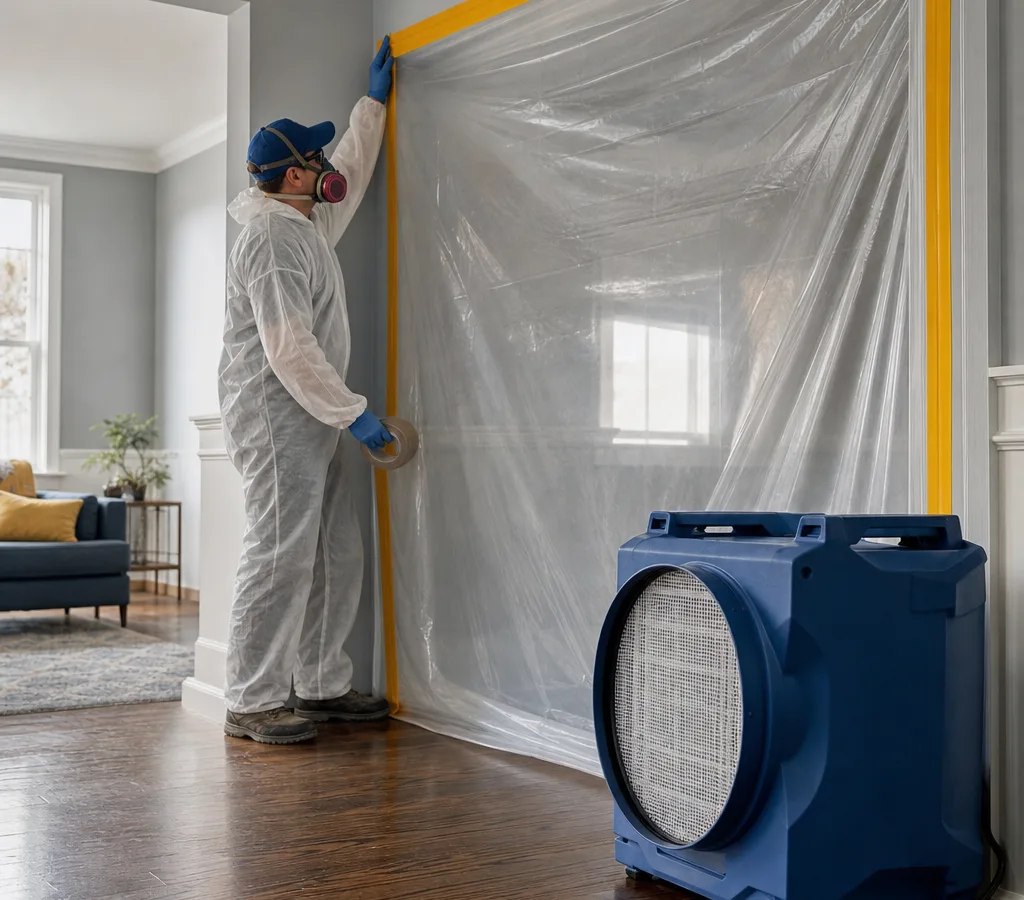
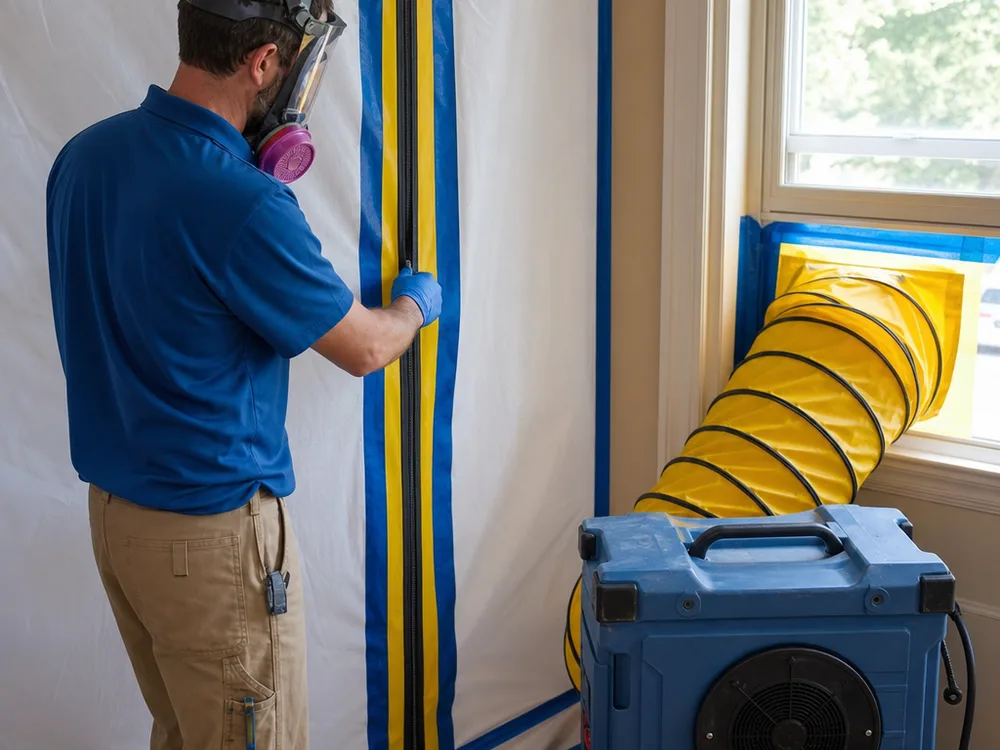
Plastic barriers, controlled entry, and negative air keep dust and spores from traveling into hallways, adjacent rooms, and HVAC returns.
HEPA vacuuming and air scrubbers capture fine particulate that standard vacuums and disposable HVAC filters are not designed to handle.
A dry building stays clean longer. We check moisture conditions and talk through the likely cause so you are not stuck repeating the same cleanup.
You get a straightforward record of the work performed and the affected areas, helpful for property files, tenants, or coordination with other trades.
We identify where growth is visible, where it is likely hidden, and what conditions are feeding it. We also note airflow paths, HVAC returns, and any areas that need special protection.
We isolate the work zone with poly sheeting and create directional airflow using a negative air machine. This keeps disturbance from migrating into the rest of the structure.
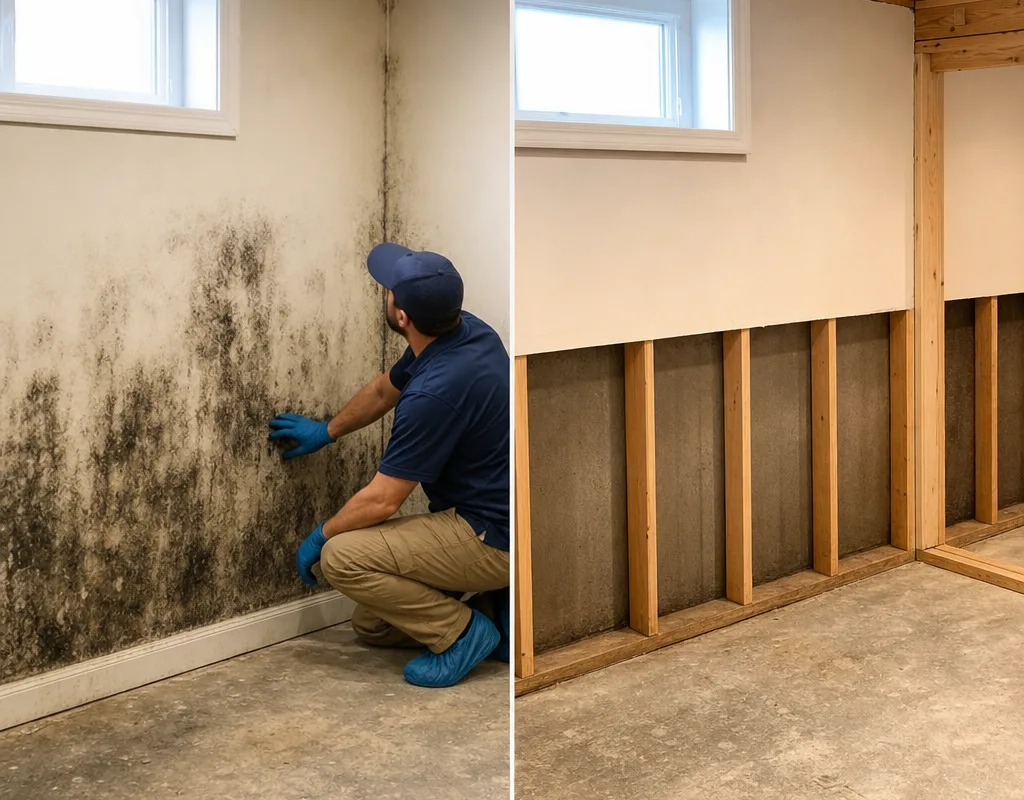
If drywall, insulation, carpet pad, or other porous materials are contaminated or waterlogged, we remove and bag them in a controlled manner to limit spread.
We HEPA vacuum and clean remaining structural surfaces and contents within the scope. Detail work matters because settled dust can reintroduce odor and irritation.
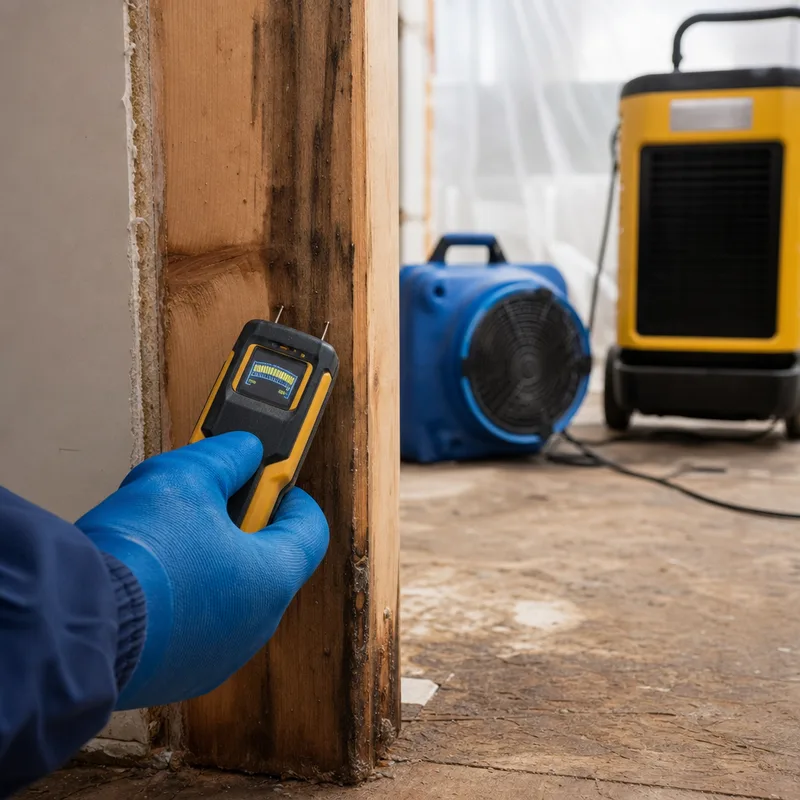
If materials are still damp, we use dehumidification and targeted airflow. We check moisture levels so the space is ready for repair and less likely to regrow.
We review what was done, what was removed, and what conditions should be corrected going forward, including leaks, ventilation, and humidity control. If rebuild work is needed, we can help you plan the handoff.
Planning the Work
Albany mold removal typically ranges from about $1,000 to $6,000+, with small, contained areas often landing around $1,000 to $2,500 and larger projects with demolition and multiple rooms commonly running $3,000 to $8,000+. Projects involving hidden growth, crawlspaces, or significant drying can cost more.
Final pricing depends on the size of the affected area, how much porous material must be removed, containment complexity, access such as attics or tight basements, and whether active moisture is present. The exact cost is confirmed after an on-site inspection and a written scope.
Inside the Work Zone
“We had a musty smell in a back bedroom and spots that kept coming back after cleaning. The crew set up containment, removed the damaged drywall, and ran air scrubbers the whole time. The room finally smells normal again and the process was explained clearly.”
“Basement mold was spreading along one wall after a slow leak. They found the damp materials, handled demo neatly, and left the area ready for repairs. The documentation helped a lot with our property records.”
Property Owner Questions
Start time depends on current scheduling and the urgency of the situation, but mold jobs are often prioritized when there is active moisture, strong odor, or an occupied space is affected. The quickest way to confirm timing is to request an on-site inspection so we can size the job and plan containment, equipment, and disposal.
Porous materials like drywall and insulation often need to be removed when they are contaminated or water-damaged because they cannot be reliably cleaned through the full depth of the material. Wood framing and some non-porous surfaces can usually be cleaned with HEPA methods and appropriate antimicrobial steps, but it depends on condition and access.
It usually does when the scope includes both cleaning or removal and moisture correction. Odor tends to linger if damp materials remain, if dust from the affected area spreads, or if hidden cavities were missed. Containment, HEPA filtration, and verified drying are key parts of odor control.
Often, yes, especially when the affected area can be fully contained and there is a clean route for equipment and debris. In tighter layouts, or when a bathroom, kitchen, or main hallway is involved, it can be more comfortable to limit access during work. We will discuss practical options after we see the layout and the scope.
Avoid disturbing the area, do not run a household fan that blows directly across visible growth, and keep pets and kids away from the space. If the issue is tied to a small plumbing leak and it is safe, stop the water source. If you have photos of when the staining started or any recent leak history, that helps speed up the assessment.
Yes. Mold often follows a water event when materials stay wet for too long or moisture is trapped behind finishes. In those cases we coordinate drying and remediation so wet materials are addressed first, then contaminated materials are removed or cleaned, and the area is left in a condition that supports proper repairs.
Tell us what you are seeing and where it is happening. We will schedule an on-site assessment in Albany, define the scope, and walk you through containment, removal, drying, and next steps so you can restore a safe, clean property.